


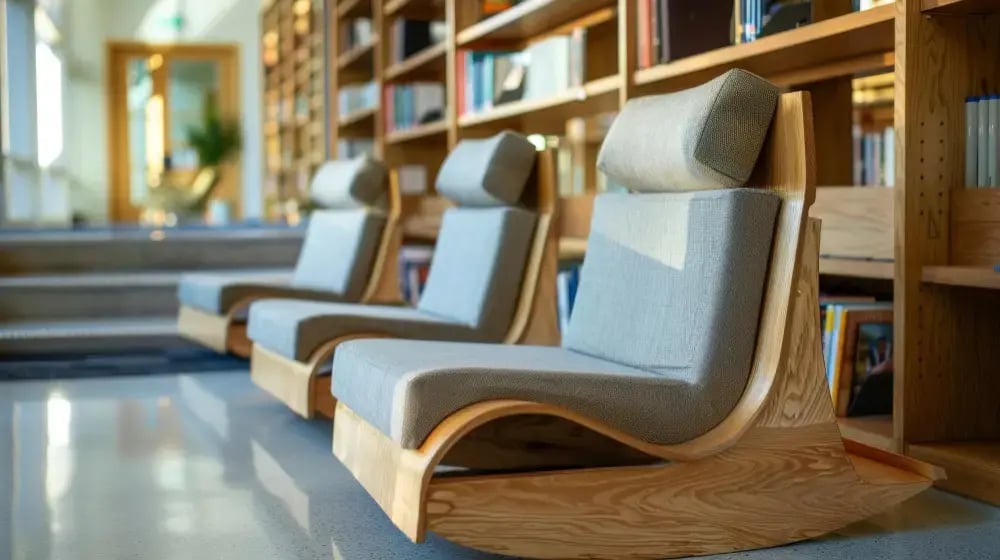
Designing learning environments for higher education goes far beyond picking a few chairs and tables. The right furniture for universities supports different activities and creates functional, comfortable, and visually coherent spaces that enhance everyday campus life.
Whether you’re planning a new building, updating existing spaces, or standardizing furniture across several locations, choosing pieces that perform well in high-traffic environments and fit diverse user needs is key.
Working with a reliable decoration wholesaler ensures access to a wide catalogue of durable, design-appropriate solutions, from seating and storage to lounges and collaborative areas.
This guide explains what campus furniture must achieve, details what to buy in each major area of a university, offers quick catalogue navigation, and answers common questions about educational furnishing.
What campus furniture must achieve
Furniture in a university isn’t just about aesthetics — it must support learning, collaboration, comfort, durability and adaptability. Here’s what well-designed campus furniture should deliver:
Support focused academic work
In libraries and study rooms, furniture must facilitate concentration and organization. This includes stable tables, ergonomic seating, and display/storage pieces that keep materials orderly without visual clutter.
Enable flexible learning modes
Modern learning environments are dynamic. Some spaces need to support individual work, others group collaboration. Furniture that can adapt — through mobility or modularity — helps campuses evolve with changing pedagogical needs.
Promote social interaction
Common areas and lounges should encourage pauses between classes, informal meetings and downtime. Sofas, coffee tables and poufs help shape welcoming zones where students can connect outside of lecture halls.
Withstand high use
Universities are busy places with heavy footfall. Furniture needs to be hard-wearing, easy to maintain and built to last, while still looking clean and appropriate for each context.
Signal professional identity
Well-furnished areas project order and quality, reflecting positively on campus culture. Cohesive design across zones — from reception to residence — supports a consistent institutional image.
What to buy by zone in universities
Different functional areas require specific furniture categories. The table below provides a clear overview of goals and recommended ITEM categories for each major university space:
|
Zone |
Goal |
What to buy (ITEM categories) |
|---|---|---|
|
Library / reading areas |
Quiet + order |
Tables · Chairs · Showcases/cabinets/bookcases |
|
Study rooms / coworking areas |
Flexibility |
Side tables · Chairs · Armchairs |
|
Common areas / lounge |
Break + social |
Sofas & chaise longue · Coffee tables · Poufs / floor cushions |
|
Offices / reception |
Work + service |
Dressing tables and desks · Chairs (incl. “office” styles) · Buffets/storage |
|
Residences / TV rooms |
Comfort + durability |
Seating · Coffee tables · Buffets and TV furniture |
Below is a breakdown of how these work in practice:
Library / reading areas
Libraries are core academic zones where quiet, focus, and organization matter. The furniture here must be ergonomic, orderly and conducive to long study sessions.
-
Tables: Choose stable, spacious worktables that can accommodate laptops, books and notes.
-
Chairs: Ergonomic seating with supportive backrests helps students focus comfortably.
-
Showcases / cabinets / bookcases: These help organize reference materials, journals and educational resources while keeping aisles clear and accessible.
This combination encourages an environment where users can sink into study mode with minimal distraction.
Study rooms / cowork areas
Study and coworking zones need to be multipurpose: easy to reconfigure for solo study, group work, workshops or brief collaborations.
-
Side tables: Lightweight and movable to support laptops, project materials or discussion clusters.
-
Chairs: Should be comfortable yet flexible for movement between spaces.
-
Armchairs: Provide relaxed seating options for informal study or long writing sessions.
Furniture that can be mixed and matched allows institutions to tailor areas to specific needs without costly renovations.
Common areas / lounge
In corridors, social lounges and student hubs, furniture should express comfort and encourage cross-discipline interaction.
-
Sofas & chaise longue: Plush seating anchors lounge areas and invites longer social stays.
-
Coffee tables: Convenient surfaces for coffee, laptops or study materials.
-
Poufs / floor cushions: Flexible, informal seating that can be moved to suit the moment.
This mix balances relaxation and connection, helping build community and comfort between classes.
Offices / reception
Administrative areas and reception desks require a different furniture approach: professionalism, storage capacity and support for staff workflow.
-
Dressing tables and desks: Clear work surfaces that support daily administrative tasks.
-
Chairs (including “office” styles): Ergonomic designs for staff who spend long hours seated.
-
Buffets / storage: Functional storage solutions that keep essentials organized and out of sight, preserving a tidy reception area.
Effective office furniture helps staff work efficiently while welcoming visitors with confidence.
Residences / TV rooms
Student residences and media lounges are casual yet heavy-use zones. Furniture here must be comfortable, robust and easy to maintain.
-
Seating: Choose durable seating options that withstand constant use, including sofas, armchairs and modular seating.
-
Coffee tables: Practical accents for personal items, snacks or games.
-
Buffets and TV furniture: Integrated solutions that support multimedia setups while providing additional storage.
Comfort and durability are key drivers here — students should feel at home without compromising longevity.
Quick routes to the catalogue
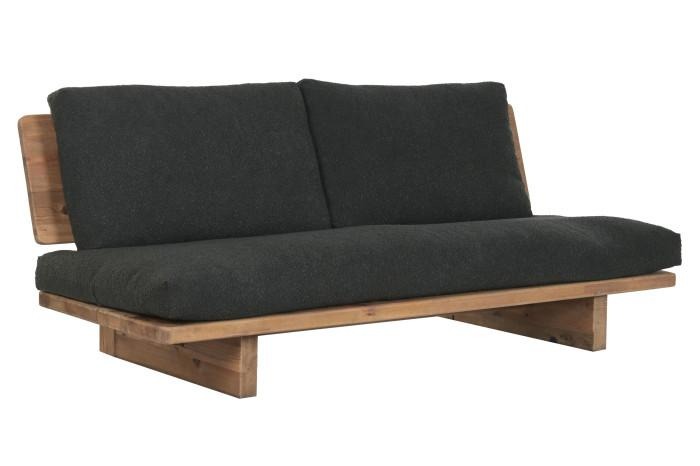
Here are efficient paths to the main furniture categories that support university environments:
Explore chairs, sofas, armchairs and poufs suitable for study zones, lounges, communal areas and reception.
Shelving units that help organize libraries, cowork spaces and visual displays.
Showcases, cabinets and bookcases
Display and storage pieces that keep spaces orderly and accessible.
Ideal for lounge zones, common areas and residences where comfort and style go hand in hand.
Surface solutions for lounge areas, TV rooms and casual meeting spots.
FAQs
Here are answers to the questions most often asked by B2B buyers planning university furniture projects:
What furniture is essential for a modern university library?
A modern academic library needs ergonomic tables and chairs, as well as showcases/cabinets/bookcases to organize materials and support quiet, focused work. Consider layered lighting and acoustical accessories for optimal usability.
How do you equip study rooms to stay flexible (group and individual work)?
Choose movable side tables and chairs that can be reconfigured quickly. Include armchairs or soft seating for informal study and areas where students can gather comfortably.
What furniture works best in university common areas?
Common areas thrive with sofas & chaise longue, complemented by coffee tables and poufs. These pieces provide relaxed seating while facilitating social engagement and informal meetings.
What should you prioritize in a refurbishment: library, lounge, or reception?
Prioritization depends on campus strategy:
-
If academic performance and user productivity are primary, invest in libraries.
-
For student wellbeing and community building, focus on lounges.
-
For institutional image and first impressions, start with reception.
How can a university standardize furniture across multiple buildings?
Adopt catalogue standards for each zone category. For example: one seating style for libraries, another for lounges, consistent shelving in libraries and study zones. This supports easier maintenance, sourcing and visual identity cohesion.
Where to buy furniture for colleges and universities wholesale?
Look for trusted suppliers that specialize in educational furniture for university common areas and large-scale projects, with B2B pricing, stock availability and design support.
If you’re planning or upgrading university spaces and need help selecting furniture that balances comfort, durability and design, contact us for professional advice, we’ll help you find the right solutions for every zone of your campus.
