


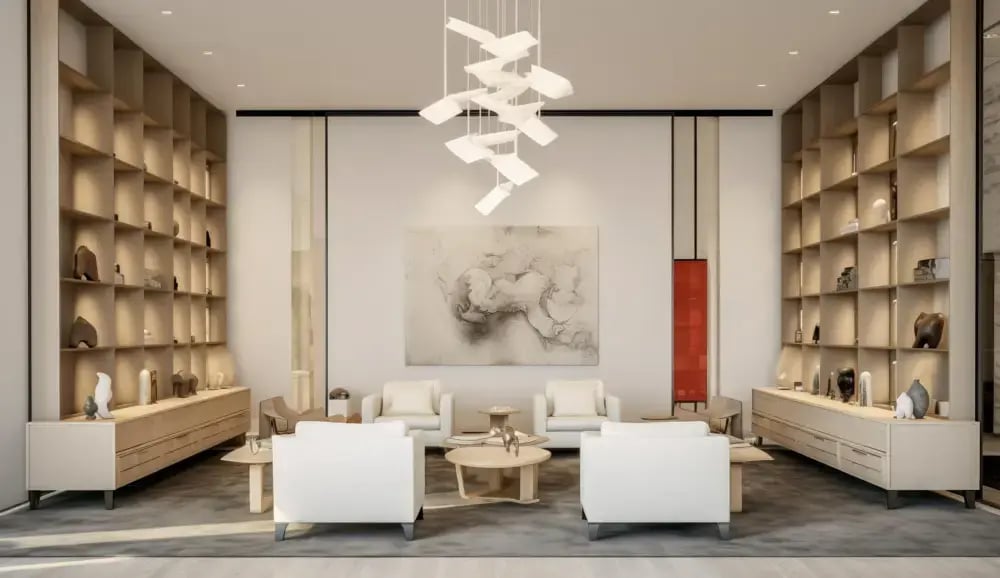
Designing an effective showroom goes far beyond simply “decorating” a space, it means creating an environment that tells a brand story, showcases products with purpose, and facilitates meaningful customer engagement and decision-making.
Whether it’s a lifestyle concept store, furniture brand space, or design studio showroom, every choice you make contributes to how visitors perceive, interact with, and ultimately connect with the products on display.
For professionals working in retail design, exhibition planning, or contract furnishing, partnering with an experienced decoration wholesaler offers access to high-quality product ranges, cohesive styling options and reliable solutions for large-scale projects.
From exhibition furniture to ambient lighting, from textile accents to decorative mirrors, careful curation within each zone of your showroom is essential to build environments that feel purposeful, polished and commercially successful.
In this guide, we explore what a showroom must achieve, break down the key zones and what to buy for each, and map out quick routes to catalogue categories that help you build a complete, cohesive showroom design.
What a showroom must achieve (beyond decorating)
At its best, showroom interior decoration does several things at once:
Tells a compelling brand story
A showroom should be more than a collection of products — it should communicate a narrative that resonates with your audience. Whether the focus is modern minimalism, artisanal craftsmanship or cutting-edge design, the display must reflect the brand’s identity and values. Well-curated scenes, thoughtful choice of textures and materials, and a clear visual language help visitors instantly grasp what your brand stands for and why it matters.
Facilitates product understanding
Customers should be able to interact with products, see them in context, and compare options with ease. A showroom isn’t a static catalogue — it’s a demonstrative space where people make comparisons, explore features, and engage with items as they would in real life. This requires well-lit displays, smart use of exhibition furniture, and layouts that make sense to first-time and repeat visitors alike.
Supports conversion and closing moments
Beyond displaying product, a showroom should foster confidence and comfort, leading to smoother closing conversations. Creating designated meeting and closing areas with comfortable seating and work surfaces makes it easier for sales teams and designers to engage clients, review options and finalise decisions.
Balances visual appeal with flow
Showrooms need rhythm and clarity. They should feel open, welcoming and visually engaging without overwhelming visitors. Strategic lighting, spacing, harmony between scales and textures, and thoughtful transitions between zones make a showroom both beautiful and usable, a space where the visitor wants to stay and explore.
Key showroom zones + what to buy
A successful showroom layout anticipates visitor needs by dividing the space into purposeful zones. Below is a breakdown of typical showroom areas, the goals associated with each and the ITEM categories that will help you achieve those goals:
|
Zone |
Goal |
What to buy (ITEM categories) |
|---|---|---|
|
Entrance / “Hero wall” |
Instant impact + brand |
Wall decorations · Decorative pictures · Lighting (ceiling/wall) |
|
Scenes / Vignettes |
Show products in context |
Home decoration (decor pieces) · Textile (cushions, throws) · Lighting |
|
Detail zone (close-up) |
Build confidence with details |
Desk lamps · Mirrors · Home decoration |
|
Meeting / Closing area |
Close the deal + comfort |
Furniture (tables/seating) · Consoles/storage |
|
Visual stock / Refill |
Order + fast replenishment |
Shelving · Showcases/cabinets · Bookcases |
Entrance / “Hero wall”
The entrance sets the tone for the entire showroom. A strong hero wall acts as a visual anchor that conveys brand ethos or seasonal themes. This zone should make a memorable impact the moment visitors step in.
-
What to buy: decorative wall art, large pictures or framed graphics, and layered lighting from both ceiling and wall mounted fixtures to draw eyes and highlight brand visuals.
-
Design tip: combine striking visuals with directional light to signal what matters most as soon as someone walks in.
Scenes / Vignettes
These areas are where your products live in imagined real-world contexts. Think living rooms, bedroom settings, office corners or curated lifestyle compositions — each “scene” speaks to how products can enhance someone’s space.
-
What to buy: decor pieces, cushions, throws, and tailored lighting that enhance the tone of each vignette.
-
Design tip: use exhibition furniture that fits each vignette scale; balance functional pieces with decorative accents to elevate the narrative.
Detail zone (close-up)
Visitors often make buying decisions based on tactile experiences and close inspection. A detail zone offers a place for them to examine product quality, finishes and craftsmanship.
-
What to buy: desk lamps for focused lighting, decorative mirrors to reflect light and details, and curated decor pieces that reinforce quality.
-
Design tip: keep this zone intentionally uncluttered so details can shine without distraction.
Meeting / Closing area
This zone supports deeper conversations, negotiations, and final selections. It should balance comfort with professionalism, giving guests a place to sit, rest and talk through options.
-
What to buy: comfortable seating, meeting tables, storage consoles and cabinets for samples and supporting materials.
-
Design tip: choose seating that invites relaxation but signals quality — a mix of armchairs and sofas paired with side tables works well.
Visual stock / Refill
Efficient visual stock organization is essential for showrooms that also serve operational needs. This area should keep inventory accessible and orderly without detracting from the customer experience.
-
What to buy: shelving units, display cabinets, bookcases and supportive storage systems that highlight product while keeping extra stock on hand.
Quick routes to the catalogue for showroom decoration
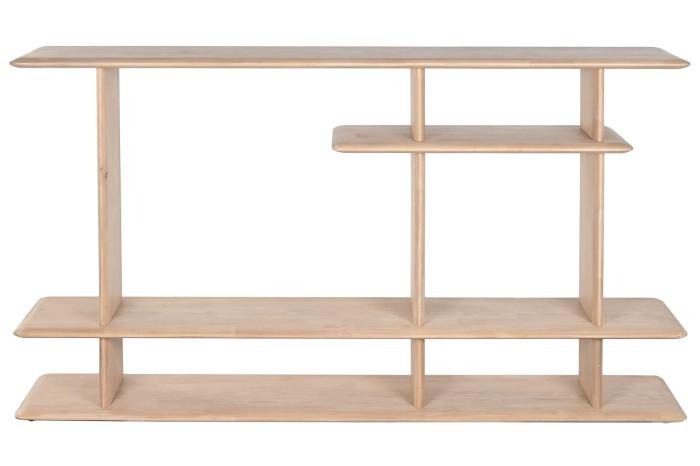
To streamline specifying and sourcing, here are catalogue categories that showrooms consistently rely on for impactful interior decoration:
Look for a mix of ceiling, wall, floor and desk lamps to create layers of light that guide visitors, highlight products and shape mood throughout the space.
Decorative mirrors add depth and reflect light, enhancing perceived space while complementing furniture displays and vignette zones.
Textile (Rugs · Cushions · Blankets, plaids and bedspreads)
Textiles soften overall perception, introduce colour stories, and help define zones like living scenes or meeting areas. Rugs and coordinated cushions bring warmth and cohesion.
Modular shelving units are essential for both product display and visual stock management — they help you move from a crowded showroom to one that communicates clarity and style.
Showcases, cabinets and bookcases
These pieces offer structured opportunities to present products at eye level and store extras out of sight, tying functional organisation with aesthetic appeal.
Seating (Chairs & stools / sofas / armchairs)
Comfortable seating is non-negotiable in both customer sorting areas and meeting zones. Mix seating types to cater to both casual browsing and formal conversations.
If you’re ready to transform your showroom into a highly effective, beautifully articulated space, contact us for professional advice.
We can help you select the right mix of exhibition furniture, lighting, soft furnishings and displays to build a compelling and commercially successful environment
